

How it works

From workflow design to managed evolution.

We build agent-assisted systems around real workflows — defining where agents help, where humans stay in control, and how the system should improve over time.

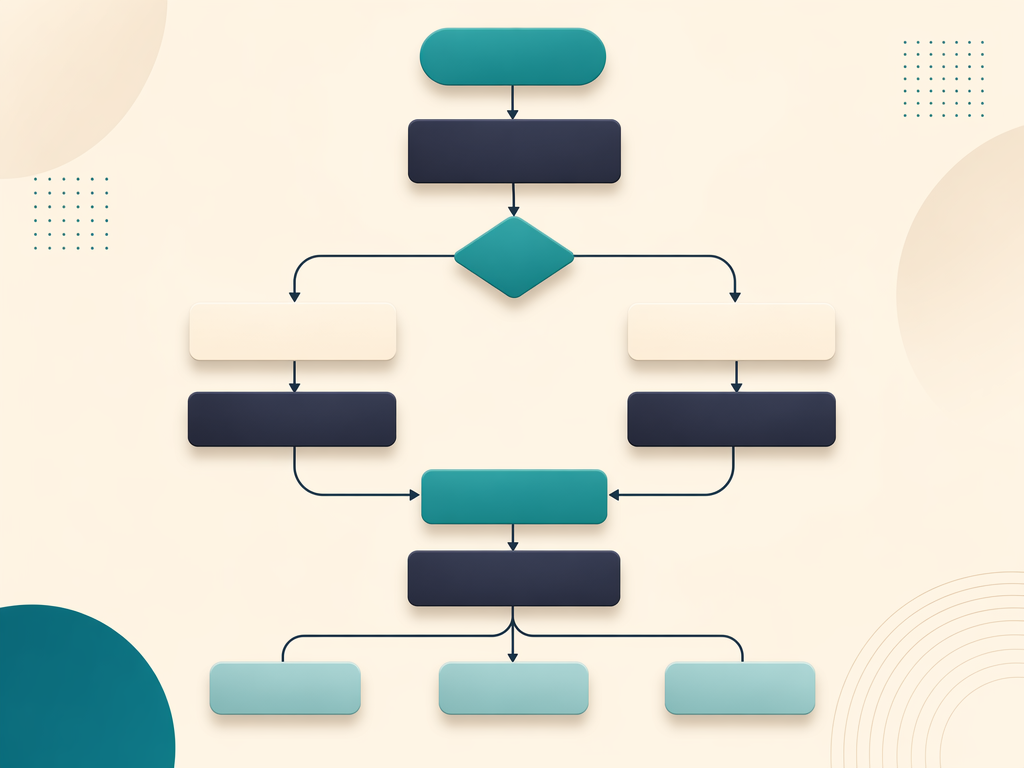
Agent workflow diagram showing roles, decisions, and review points
A different starting point

We start with the workflow, not the hype.

Most AI projects fail because they start with tools, models, or automation ideas before anyone has clearly mapped the work itself. We start in the opposite place.

Before building anything, we look at how the workflow actually moves: where work gets handed off, where approvals happen, where bottlenecks appear, and where better structure would make the system more usable. That's how an agent-assisted system becomes part of operations — instead of another disconnected experiment.

The goal isn't to bolt agents onto chaos. It's to design a better operating loop.

Workflow framing diagram — mapping the operating loop
Detailed workflow framing — agents, humans, and review points

Operating maps from real engagements — workflow structure precedes any model decision.

Delivery model

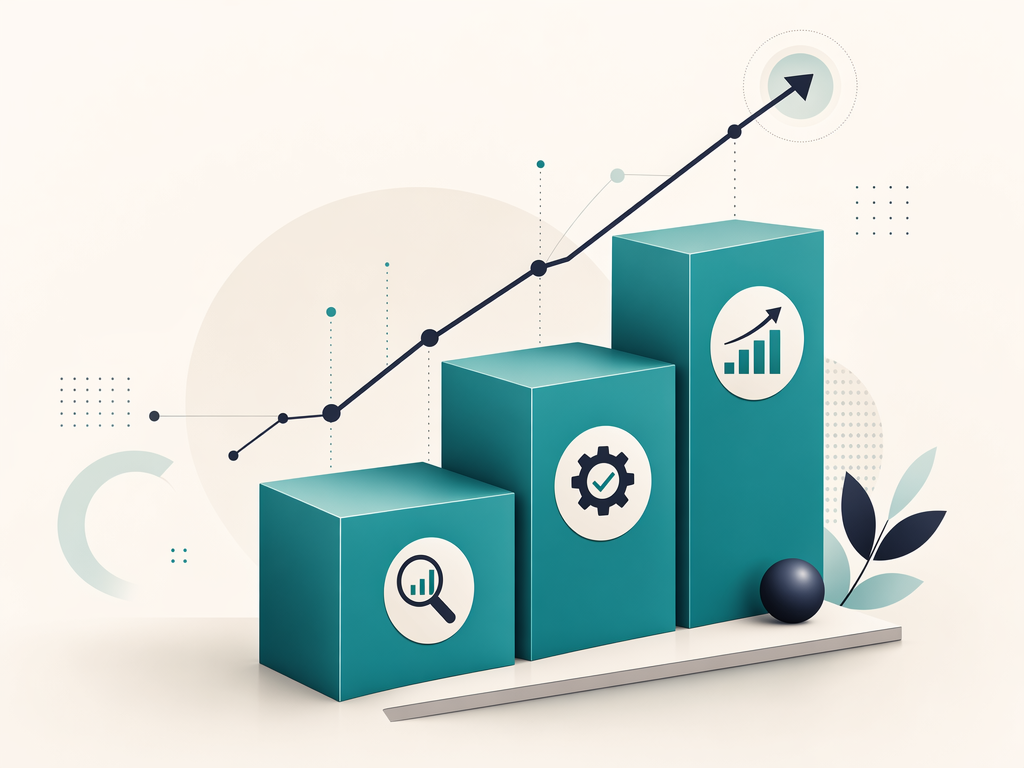
A three-stage approach to useful agent systems.

We treat planning, deployment, and post-launch iteration as parts of the same operating model.

01
Stage 01

Design the workflow

We begin by understanding the work itself: where the workflow starts and ends, which tasks repeat, what decisions need oversight, what hand-offs are currently messy, which parts are operationally expensive, and what a working result actually looks like.

Why it matters

Without this stage, teams end up with automations that produce output but don't fit the real operating model of the business.

A better system starts with a clearer workflow.

Typical outputs
  • 01Workflow map
  • 02Role definition
  • 03Approval logic
  • 04Operating model
  • 05Success criteria
02
Stage 02

Deploy the system

Once the workflow is clear, we build the first usable version around it. The objective isn't an impressive one-off demo — it's a system that can actually participate in the work. That can include role-based agent workflows, approval flows, publishing or reporting loops, website or digital-operations workflows, and integrations with existing tools where useful.

Why it matters

A pilot should make the workflow more usable, more structured, and easier to inspect — not just more novel.

The right first deployment is credible enough to use, evaluate, and improve.

Typical outputs
  • 01First usable pilot
  • 02Integrated workflow steps
  • 03Review points
  • 04Operational hand-off surface
03
Stage 03

Manage and evolve

An agent-assisted system shouldn't be treated as complete the first time it runs. We treat post-launch learning as part of the work — looking at what the system did well, where it drifted or became awkward, which prompts or boundaries need revision, where review loops should be tightened, and what adjacent workflow should come next.

Why it matters

This is where a system stops being an experiment and starts becoming an operating layer.

The most useful systems aren't just deployed. They're managed, reviewed, and improved.

Typical outputs
  • 01Quality improvements
  • 02Workflow tuning
  • 03Stronger oversight
  • 04Expansion roadmap
Why it works

A more grounded approach than generic AI consulting.

We're intentionally designed to avoid the most common failure patterns in AI service work:

What we avoid
  • Vague strategy with no working system
  • Over-scoped "transformation" promises
  • Disconnected prototypes that never reach operations
  • Prompt collections without workflow architecture
What we focus on
  • One real workflow at a time
  • Structure before scale
  • Approvals matched to risk
  • Usable first systems
  • Iterative expansion from what works

The fastest way to lose trust in an agent system is to give it more scope than its operating model can support.

Comparison diagram — generic AI projects vs. workflow-grounded systems
Proof

Grounded in real systems.

Our process is informed by practical system work across:

These projects differ in domain, but they point toward the same conclusion: useful agent systems need structure, boundaries, and continuity.

Where to start

Begin with a focused engagement.

Our first offer is the Agent Workflow Sprint: a fixed-scope engagement to identify one high-value operating loop, structure it clearly, and deploy a first usable system around it.

Start with one workflow that matters. Expand only after it proves itself.

See the Agent Workflow Sprint Or book a workflow discussion →

If the workflow matters, the operating model matters.

We help teams move from disconnected automations and manual coordination toward systems that are structured, governable, and usable over time.

Talk to Cloudcor View case studies →